

Why Physical Therapy Matters During Pregnancy
How Pelvic Physical Therapy Can Support You Before, During, and After Birth
If you’re pregnant—or planning to be—you may not be thinking about physical therapy. In fact, your healthcare provider may not even mention it at your first OB appointment. When most people think of physical therapy, they picture someone recovering from an injury, performing exercises in a clinic with ankle weights or resistance bands.
A common misconception is that physical therapy is only for injuries involving the back, hip, knee, or shoulder. But physical therapy—especially pelvic physical therapy—can play a powerful role throughout pregnancy, labor, and postpartum recovery.
So what does physical therapy have to do with being pregnant?
How Physical Therapy Supports a Healthy Pregnancy
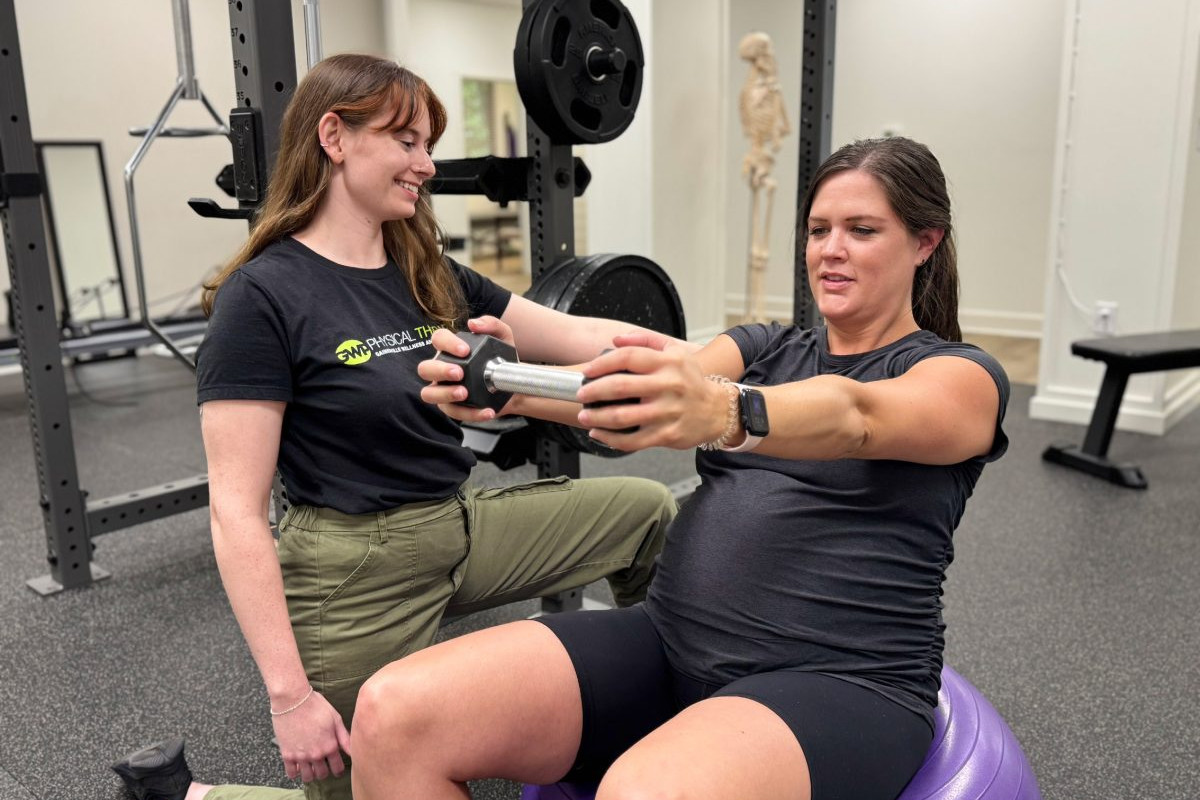
There are many ways physical therapists can help support your body as it adapts to pregnancy. This may include strength training, mobility work, postural support, and pelvic floor muscle training as your body changes and your baby grows.
While ensuring your baby’s health is essential, taking care of your body matters too. Pregnancy places unique physical demands on your muscles, joints, and pelvic floor—and proactive care can make a meaningful difference in how you feel both now and after delivery.
Understanding the Pelvic Floor During Pregnancy
Your pelvic floor muscles are under increased stress during pregnancy and childbirth. Many women experience symptoms such as:
- Accidental urine leakage during exercise or daily activities
- A sudden, urgent need to urinate
- Limiting workouts or avoiding physical activity due to fear of leakage
- Sensations of heaviness or pressure
You may have experienced looking down during a workout and noticing your underwear is wet—or finding yourself crossing your legs and rushing to the bathroom. While these symptoms are common, they are not something you have to simply live with.
Pelvic physical therapy can help prevent and treat these issues during pregnancy and postpartum.

What the Research Says
Studies show that starting pelvic floor muscle training early in pregnancy can:
- Reduce the risk of urinary leakage
- Decrease the likelihood of severe perineal tearing during vaginal delivery¹
Pelvic floor muscle training improves muscle awareness, coordination, and control—helping prepare your body for childbirth. Through pelvic physical therapy, we can guide you in:
- Proper pelvic floor lengthening techniques
- Controlled pushing strategies using deep breathing
- Perineal stretching techniques to help prepare tissues for labor
These strategies are designed to support a smoother vaginal delivery and protect the pelvic floor during the physically demanding birth process.
By reducing the risk of severe perineal tearing, pelvic physical therapy may also decrease the likelihood of postpartum concerns such as fecal incontinence, stress urinary incontinence, pelvic organ prolapse, and sexual dysfunction².

Preparing for Labor and Delivery
A pelvic physical therapist can also help you explore different labor and birthing positions. Research shows that certain positions during labor and delivery may:
- Reduce rates of C-sections
- Decrease epidural use
- Shorten the duration of labor³
Learning these options ahead of time can help you feel more confident, informed, and empowered going into birth.
Support Through Pregnancy, Birth, and Beyond
At GWP Physical Therapy, we believe you deserve to feel supported throughout pregnancy, delivery, and postpartum recovery. Our goal is to provide gentle, individualized care that empowers you with knowledge, confidence, and practical tools.
Whether you’re preparing for labor, managing pregnancy-related symptoms, or planning ahead for postpartum recovery, pelvic physical therapy can be an important part of your care team.
We’d love to support you on this beautiful journey.
Meet our Therapists


Here to Support You During Pregnancy and Beyond
Ready to feel more confident and supported during pregnancy? Schedule a pelvic physical therapy consult today.
Call or Text Us: (352) 275-9694
Visit Us: 4650 NW 39th Pl Ste B, Gainesville, FL 32606
Let’s take the first step—together.
Citations
- Zhang D, Bo K, Montejo R, et al. Influence of pelvic floor muscle training alone or as part of a general physical activity program during pregnancy on urinary incontinence, episiotomy and third- or fourth-degree perineal tear: Systematic review and meta-analysis of randomized clinical trials. Acta Obstet Gynecol Scand. 2024;103(6):1015-1027. doi:10.1111/aogs.14744
- Lane TL, Chung CP, Yandell PM, Kuehl TJ, Larsen WI. Perineal body length and perineal lacerations during delivery in primigravid patients. Proc (Bayl Univ Med Cent). 2017;30(2):151-153. doi:10.1080/08998280.2017.11929564
- Okeahialam NA, Sultan AH, Thakar R. The prevention of perineal trauma during vaginal birth. Am J Obstet Gynecol. 2024;230(3S):S991-S1004. doi:10.1016/j.ajog.2022.06.021